On this page
Subscribe to receive the latest blog posts to your inbox every week.
By subscribing you agree to with our Privacy Policy.
With energy efficiency regulations becoming more stringent, implementing ASHRAE Guideline 36 (G36) has never been more important. This standard optimizes HVAC control sequences, ensuring buildings run efficiently, sustainably, and cost-effectively. However, getting there isn’t always straightforward.
At KODE Labs, we understand the challenges of deploying G36-compliant systems. That’s why we’ve developed a G36 Deployment Framework—a structured approach that simplifies the process, from validation to continuous monitoring.
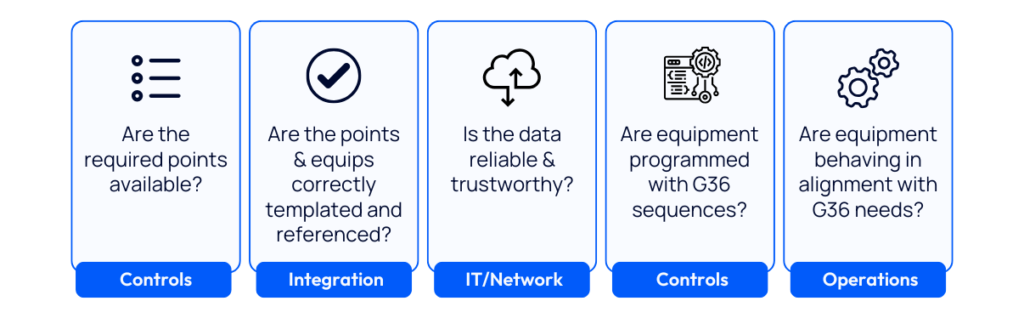
Below, we’ll break down the key steps in monitoring G36 deployment, providing a high-level overview. For those looking for in-depth guidance, you can reference our G36 Deployment Framework guide.
ASHRAE G36 provides standardized, high-performance sequences of operation for HVAC systems. These sequences:
Yet, ensuring full compliance can be complex, requiring coordination between vendors, building operators, and control systems. That’s where a structured deployment framework makes all the difference.
The deployment framework developed by our engineers follows three key phases, each designed to remove bottlenecks, improve visibility, and streamline validation.
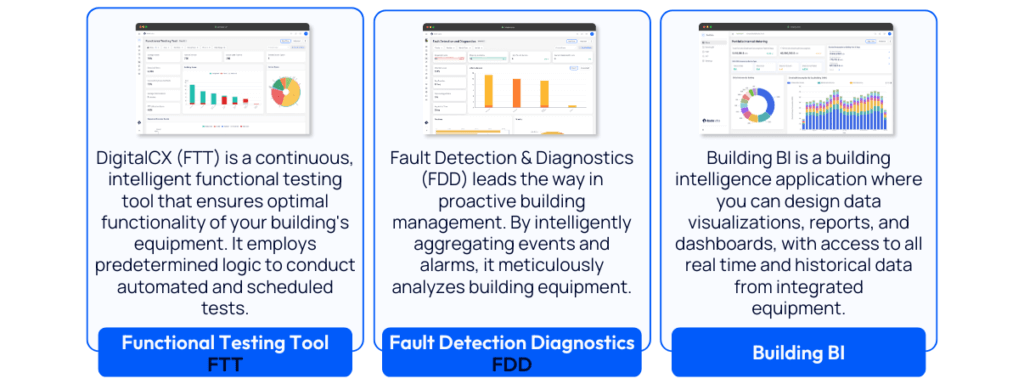
Before anything else, it’s crucial to ensure all data points are properly identified and reliable. Without a constant steam of high-quality data, even the best sequences won’t function as intended.
KODE OS Tools: Building BI’s Data Quality Dashboard helps visualize data gaps and ensure systems are correctly templated before moving forward.
Even when an HVAC system is programmed with G36 sequences, issues can arise due to incorrect configurations or missing setpoints. This phase ensures that sequences are properly commissioned.
KODE OS Tools: Functional Testing Tool (FTT) automates sequence validation, ensuring each HVAC unit meets G36 standards with minimal manual intervention.
Once deployment is complete, continuous monitoring is needed to ensure ongoing performance and compliance. Even with correct sequences, factors like sensor drift or unexpected building conditions can impact efficiency.
KODE OS Tools: Fault Detection & Diagnostics (FDD) and Building BI’s G36 Sequence Metrics dashboard help pinpoint issues before they become major problems.
Once G36 has been deployed, proactive monitoring ensures long-term success. By leveraging automated testing and real-time analytics, teams can quickly identify and resolve inefficiencies, keeping buildings running optimally.
Deploying ASHRAE G36 doesn’t have to be overwhelming. With KODE OS, engineering teams get the visibility, automation, and insights they need to implement high performance HVAC sequences with confidence.
For a deeper dive into the deployment framework, read our guide or book a demo with our team to see KODE OS in action.

Jessica Shields
Project Manager, KODE Labs
News, insights and resources from the world of smart building management.
By clicking "Sign Up" you're confirming that you agree with our Terms and Conditions.
Originally posted on Mann Report Ask your facility manager how many vendors currently have remote access to your building. Most…
Read more
Originally published on Facility Executive. Integration and expanded policy mean federal building management platforms now require the same heavy security…
Read more
Originally published on The Capitol Forum. “When we began pursuing FedRAMP High authorization, we assumed the biggest challenge would be…
Read more